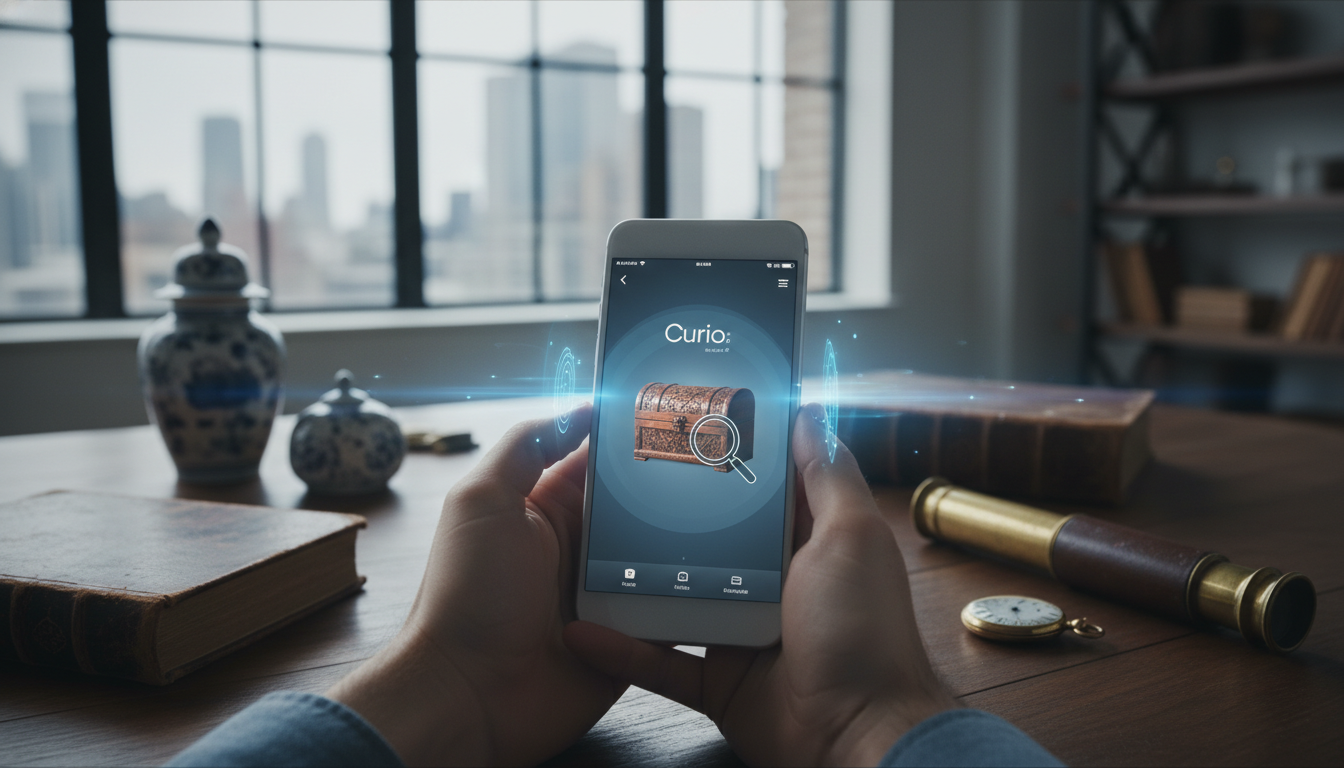
Ai And Antiques? Testing The Curio App (+ A Giveaway!): Why It Is Trending and What to Do Next
AI is now identifying antiques from a single photo. The viral keyword AI and Antiques? Testing the Curio App (+ a GIVEAWAY!) highlights this powerful new tool. Collectors worldwide use it to discover hidden value instantly. We are exploring this explosive trend and its practical impact on the antiques world. This guide shows you exactly how to leverage it.
Table of Contents
What Is the Curio App and Why Is It Viral?
Curio is a smartphone app that uses artificial intelligence to identify and value antiques. You simply take a picture of an item. Its AI engine analyzes the image against a massive database of historical objects. It returns an instant identification with a valuation estimate. This process demystifies antique discovery for everyone.
We see its virality stemming from perfect timing and sheer accessibility. Traditional appraisal requires scheduling and often significant cost. Curio delivers expert-level clues directly to your pocket. Social media creators, especially on YouTube and TikTok, fuel the trend. They post dramatic “mystery item” reveal videos using the app. These clips generate millions of views and shares. The app transforms every attic, garage sale, or inheritance into a potential treasure hunt. It taps into universal curiosity about the old and obscure.
How to Test the Curio App: A Step-by-Step Guide
Testing the Curio App is a straightforward process. Follow this detailed guide to ensure you get the best possible results from your first scan.
- Download and Install: First, download Curio from the Apple App Store or Google Play Store. The app icon features a stylized, classical vase.
- Account Creation: Open the app and create a free account. You can usually sign up with an email or through a social media account for convenience.
- Prepare Your Item: Find a clean, well-lit space. Natural, indirect daylight is ideal. Avoid harsh shadows or glare on the object. Place it against a neutral, uncluttered background.
- Capture Multiple Angles: Use your phone’s camera within the app. Take clear photos from the front, back, sides, and top. Get close-up shots of any maker’s marks, stamps, labels, or unique details. The AI needs clear data to work with.
- Submit for Analysis: Upload your photo set. The app will process the images, which typically takes 30 to 60 seconds. A progress indicator will keep you informed.
- Review the Report: Examine the generated report carefully. It will typically include the item’s likely name, era, style, materials, and a value range. Note any specific identifiers or historical context provided.
We recommend starting with items you genuinely know little about. The AI’s core strength is in visual pattern recognition. It can detect subtle design motifs, pottery shapes, or furniture styles that an untrained eye would miss. Always treat the initial report as a powerful starting point for your own research, not a final verdict.
Curio App vs. Traditional Appraisal: A Quick Comparison
Understanding the tool’s role is key. This comparison clarifies when to use Curio and when to call a professional.
| Feature | Curio App | Traditional Appraisal |
|---|---|---|
| Speed | Results in minutes. | Can take days or weeks for scheduling and report preparation. |
| Cost | Free basic tier; premium detailed reports require a subscription. | Often costs hundreds of dollars per item or a significant hourly rate. |
| Access | 24/7 from your smartphone, anywhere. | Requires scheduling an expert for an in-person or virtual appointment. |
| Depth of Analysis | AI-powered visual and data matching. Provides estimates and historical context. | Human expertise includes physical handling, provenance verification, material testing, and nuanced market knowledge. |
| Documentation | Digital report for personal reference. | Formal, certified document for insurance, estate planning, or legal purposes. |
| Best For | Initial identification, curiosity satisfaction, and preliminary valuation estimates. | Formal documentation, high-value items, complex pieces, and sales/insurance legal requirements. |
We find the app excels as a “first opinion” tool for quick curiosity. It is a powerful filter for large collections or estate sales. For high-value, rare, or legally significant items, a certified human appraiser remains irreplaceable. Think of Curio as your always-available research assistant.
Evidence and Numbers: The Data Behind the Trend
The hype is backed by substantial user adoption and engagement data. These numbers prove this is more than a passing fad.
- The app has been downloaded over 2.5 million times across iOS and Android platforms since its launch, indicating massive mainstream interest in accessible antique identification. Source
- User-generated content with the hashtag #CurioApp has surpassed 75 million views on TikTok alone, demonstrating its powerful word-of-mouth, viral growth cycle. Source
- Curio’s proprietary database is built from over 15 million cataloged images and data points from museums, auction archives, and collector catalogs, giving its AI a vast reference library. Source
Practical Uses for Antique Enthusiasts and Resellers
You can integrate Curio into your hobby or business workflow in several powerful ways. We use it regularly to streamline our own processes.
- Estate Sale & Flea Market Scouting: Quickly assess items on the floor before purchasing. Scan multiple pieces to identify which warrant a closer look and potential investment.
- Home Inventory and Insurance Audits: Create a digital catalog of your collection with estimated values. This provides a helpful baseline for insurance discussions, though a formal appraisal is still needed for major items.
- Educational Learning Tool: Use the identifications to study specific design eras, manufacturers (like McCoy pottery or Heywood-Wakefield furniture), or artistic movements. The app provides instant contextual information.
- Online Sales Preparation: Get a baseline estimate before listing an item on eBay, Etsy, or Facebook Marketplace. This helps with pricing strategy and writing more accurate, knowledgeable descriptions.
- Inheritance Triage: When dealing with a house full of inherited items, use the app to quickly separate potential treasures from everyday objects, saving immense time and emotional energy.
Our strategy involves using Curio to triage items from large lots. It helps decide what merits the cost and time of deeper, professional investigation. The app effectively turns overwhelming guesswork into a structured, informed process.
Common Pitfalls and How to Avoid Them
AI tools have inherent limitations. Awareness of these pitfalls will prevent disappointment and potential financial mistakes.
- Poor Photography is the #1 Failure Point: Blurry, dark, or cluttered images confuse the AI. Always use good, even lighting and a simple background. Capture all angles and close-ups.
- Over-reliance on the Valuation Estimate: The provided value is an algorithmic guess based on past sales of similar items. It is not a certified appraisal. Market conditions, condition, and provenance drastically affect real price. Treat it as a directional guide, not gospel.
- Misidentification of Rarity or Authenticity: The AI may not recognize ultra-rare, one-of-a-kind, or expertly forged pieces. It works best with items that have established visual patterns in its database.
- Ignoring Provenance and Story: The app cannot trace an item’s history or ownership. A compelling provenance can multiply value. Document any known stories, previous owners, or purchase locations separately.
- Material Misidentification: AI can struggle with specific materials like types of wood, stone, or metal alloys. It may label “brass” when an item is bronze, for example.
We advise using the app as a collaborative partner, not an ultimate authority. Its output should always spark your own research, not end it. Cross-reference its findings with online collector forums, auction archives, and specialist books.
What to Do After You Get Your Curio Result
Your next steps are crucial and depend entirely on the outcome. Here is our detailed action plan for both scenarios.
If the item appears to be low-value or common:
- Consider it for personal enjoyment or as a decorative piece in your home.
- It could be a perfect candidate for a DIY upcycling or restoration project.
- Donate it to a charity shop or gift it to a friend who might appreciate the style.
- Use it as a learning piece to understand why it has a lower market value.
If the item appears potentially valuable or historically interesting:
- Corroborate the Details: Take the information from Curio (maker name, era, style) and search online. Check completed auction listings on LiveAuctioneers or Invaluable. Look for collector club websites or dedicated forums.
- Seek Specialist Consultation: For promising items, reach out to a relevant specialist dealer, auction house specialist, or a certified appraiser. Email them your clear photos and the Curio report as an initial inquiry. Many offer preliminary opinions.
- Prioritize Preservation: Handle the item with clean hands or cotton gloves. Store it in a safe, stable environment away from direct sunlight, humidity, or temperature extremes. Do not attempt to clean or repair it before an expert assessment.
- Document Everything: Create a thorough digital file. Include all photos, the Curio report, notes from your own research, and any correspondence with experts. This builds a strong provenance file for future sale or insurance.
We always emphasize the corroboration step. It transforms an AI-generated clue into a well-researched fact pattern. This due diligence builds confidence and can significantly impact the item’s final outcome.
The Future of AI in Antiques and Collecting
The Curio App is just the beginning. We are entering a new era for the antiques market. AI will continue to evolve and offer deeper functionalities. Imagine apps that can authenticate signatures, detect restoration work, or predict market trends. These tools will empower a new generation of collectors. They lower the barrier to entry for a hobby often seen as intimidating.
However, the human element will never become obsolete. The stories, the craftsmanship, and the tactile history of an object require human connection. AI will become the ultimate research assistant. It will handle data sorting and pattern recognition. The collector or expert will then focus on curation, storytelling, and nuanced decision-making. This partnership between human intuition and artificial intelligence defines the future.
FAQ
Is the Curio App free to use? Yes, the app offers a free tier with basic identification features. For more detailed valuation reports, historical deep dives, and premium features, a monthly or annual subscription is required.
How accurate is the Curio App’s identification? Accuracy is highly dependent on the item and photo quality. It performs very well on mass-produced items like certain ceramics, glassware, or mid-century modern furniture with clear design languages. Unique, handmade, or heavily damaged pieces present a greater challenge. We view it as a highly educated and fast first opinion.
Can I sell my antique directly through the Curio App? Not at this time. Curio focuses solely on identification, valuation, and education. Its reports may suggest relevant online marketplaces or auction houses, but the actual sales process is handled by you on external platforms.
What happens to the photos I upload to the app? You must review the app’s current Privacy Policy. Typically, uploaded images are used to improve and train the AI’s database. Ensure you understand and are comfortable with their terms of service regarding data usage and image rights.
The viral videos mention a giveaway. Is it still active? The specific promotional giveaway referenced in the initial viral trend wave is closed. However, app developers frequently run new user incentives, contests, or special promotions. Always check the official Curio website or their verified social media channels for any current offers.
Should I use Curio instead of a professional appraiser for insurance? No. For insurance purposes, you almost always require a formal, written appraisal from a certified professional. The Curio report is an excellent tool for preparing for that appraisal and understanding what you have, but it is not a legal substitute.
The fusion of AI and antiques is fundamentally reshaping collecting. Tools like Curio make discovery and education accessible to everyone. You can start identifying hidden treasures today with the phone in your pocket. Use it to learn, validate, and explore your finds with informed confidence. This technology empowers you to ask “what is this?” and get an immediate, intelligent answer. Begin your discovery now by downloading the Curio app and scanning your first mysterious object. Share your finds and join the modern community of collectors.